 Đăng nhập bằng Google
 Đăng nhập bằng Facebook


 Tiếng việt
 English




English vocabulary learning mobile app
 22
22
 0
0
 Bạn
Bạn 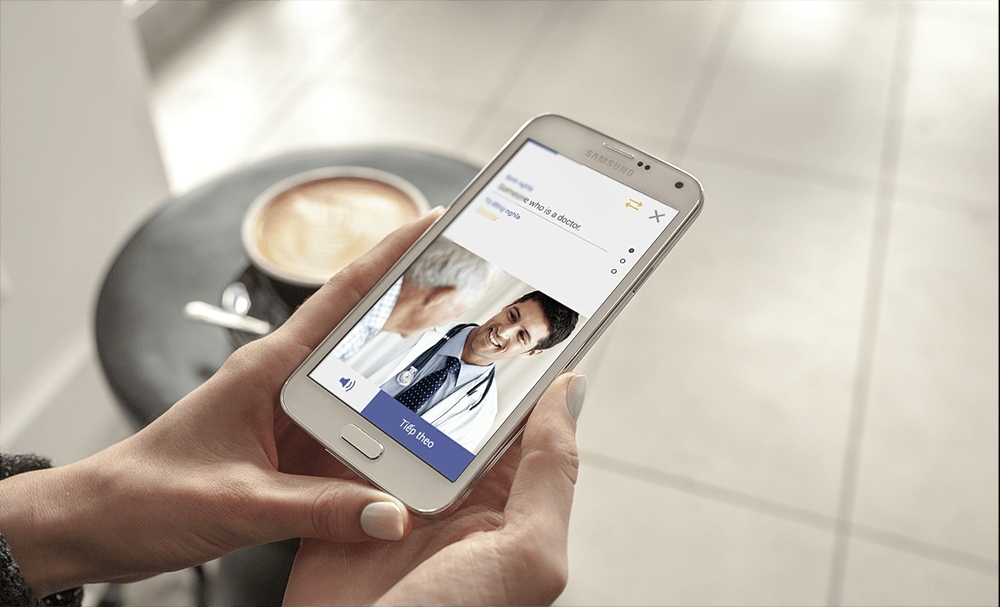


Our client for this project, based in Vietnam, has a web application that helps new ESL students learn English vocabulary in a fun, engaging and efficient way. At the time the project started, it had more than 100,000 active users on the web and was growing steadily.
The client team hired us to design an mobile Android app for their service with a near impossible timeline: a usable UX design and interface in just 1 week, which we successfully delivered within the specified time.
The app had over 1,000 downloads with 4.7 star rating on Google Play and 126 reviews 2 weeks after release. Currently, the app is still going strong with high review rating on Google Play and an iOS version will be released in the next few months.
As the client already had an existing customer base, we focused on researching current users to have an objective understanding of the big picture and systematize these insights to form a foundation, not just for the development of this mobile app but also for later products.
We then worked on our design, created a prototype and conducted a usability test. The limited time only allowed for 1 iteration, after which we packaged the design into specifications to be easily read by the client’s in-house developers.
Although students lack disposable income, a relatively high fraction of their budget is allotted to growth and education. We had a great time observing these students and other users using smartphone and online ESL services and ended up feeling optimistic about online services adoption in Vietnam.
We wish we had more time and budget to work on this project, seeing that it is a great app that solves a popular problem. We could definitely have gone overboard with new features and ideas that would make the app more delightful to use; instead, we chose to focus on doing the basic features well due to both the time constraint and the technical limitations of our client. We are happy to say that this had proven to be the right decision.
Leaderboard of each vocabulary collection encourages users to beat the score in every tests and learn harder.
Progression is very important in gamification. We showed how many words they have learnt.
Small interaction: learning takes time. Users shall spend at least 30 minutes everyday so we give users the ability to switch position of 2 bottom buttons as they can change their hand often.
Task-based interaction: learners buy vocabulary collection but they would love to follow instruction and everyday tasks / missions.
Everyday notification turned out to receive many positive reviews since most Vietnamese students are lazy. They need to be pushed everyday.

Top hồ sơ nổi bật
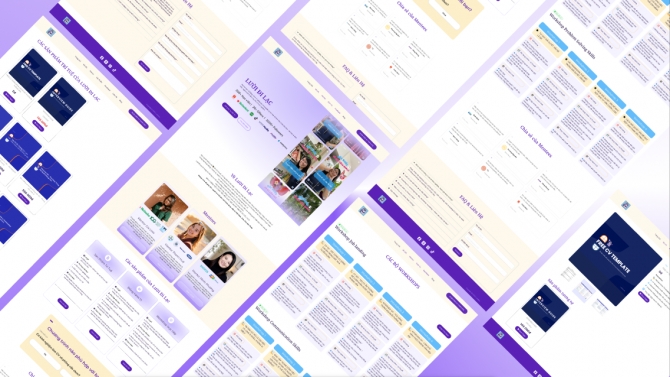
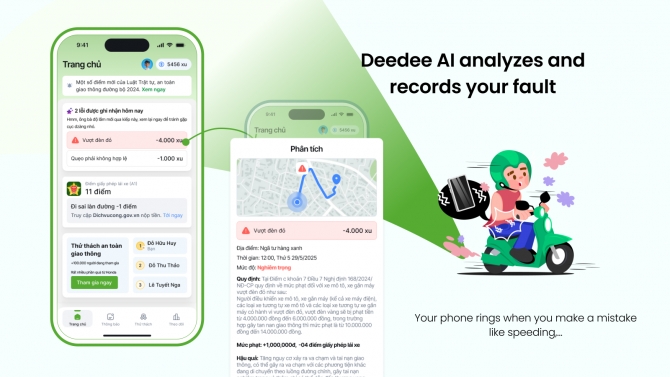
Lollypop Designathon – UX/UI Product Challenge
Ngọc Viên Trương
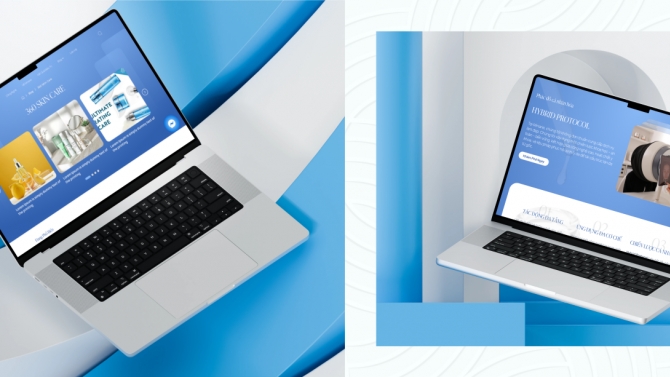
Skincare Spa – Thiết kế Website dịch vụ
Ngọc Viên Trương
Quảng cáo